- Your cart is empty
- Continue Shopping


Why Do Doctors Prescribe a CBC Test? Lets Understand Its 24 Parameters
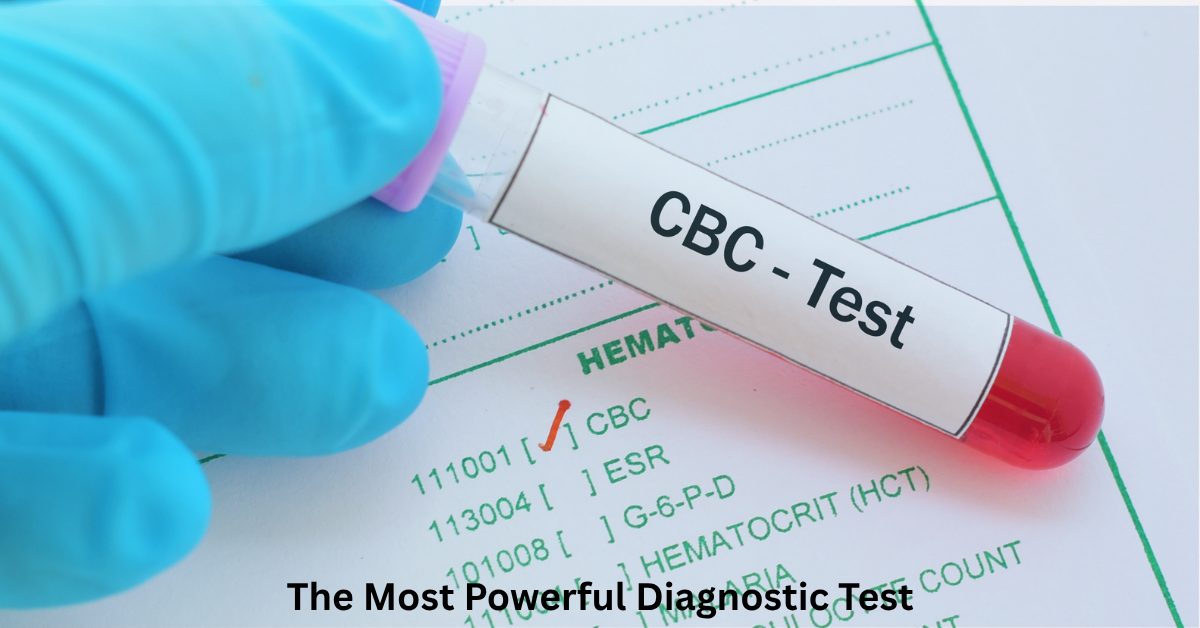
Doctors don’t advise CBC (Complete Blood Count) test just for a routine formality; rather, it is considered one of the most powerful diagnostic tools that can uncover a very wide range of health issues one might be facing. Infections, anaemia, allergies, and evaluating a person’s overall health. The CBC Test plays a very crucial role in the field of diagnostics. In this blog, we will try to cover why doctors prescribe CBC tests, what the test measures, and what each CBC parameter means for your health.
What is a CBC Test?
A Complete Blood Count (CBC) is a blood test that measures different parameters of your blood, such as:
- Red Blood Cells (RBCs)
- White Blood Cells (WBCs)
- Platelets
- Other calculated parameters and values
It helps doctors assess your overall health, detect infections, identify blood disorders, and allergies, and monitor ongoing health conditions.
Why Do Doctors Prescribe a CBC Test?
Doctors may prescribe a CBC test for several reasons:
- When experiencing fatigue, fever, weakness, or bleeding.
- If you are undergoing treatment for chronic conditions (e.g., cancer, kidney disease).
- If you are facing symptoms like an infection, anaemia, or inflammation.
- If you are planning for surgery or a routine health checkup.
- If you require regular checks, or if you’re taking some medications.
CBC Test Parameters Explained
Red Blood Cell (RBC) Parameters
- Red Blood Cells (RBC): Counts the total number of red blood cells in your blood.
- Haemoglobin (Hb): Reveals the volume of oxygen-carrying protein present in RBCs.
- Haematocrit (PCV): Percentage of blood volume occupied by red blood cells.
- Mean Corpuscular Volume (MCV): The average size of red blood cells.
- Mean Corpuscular Haemoglobin (MCH): The average quantity of Haemoglobin per red blood cell.
- Mean Corpuscular Haemoglobin Concentration (MCHC): Haemoglobin concentration in a red cell volume.
- Red Cell Distribution Width (RDW): Variation in the size of your red blood cells.
White Blood Cell (WBC) Parameters
- White Blood Cells (WBC): The Total number of white blood cells in your blood.
- Absolute Neutrophil Count: Count of neutrophils – the body’s first line of defence against infection.
- Absolute Lymphocyte Count: Count of lymphocytes – important for immune function.
- Absolute Monocyte Count: Count of monocytes – helps fight bacteria and break down dead cells.
- Absolute Eosinophil Count: Count of eosinophil – involved in allergy reactions and parasitic infections.
- Absolute Basophil Count: Count of basophils – involved in allergic and inflammatory reactions.
- Neutrophils (%): Percentage of total WBCs that are neutrophils.
- Lymphocytes (%): Percentage of lymphocytes in the WBC count.
- Monocytes (%): Percentage of monocytes.
- Eosinophil (%): Percentage of eosinophil.
- Basophils (%): Percentage of basophils.
Platelet Parameters
- Platelet Count: Count of platelets that help your blood clot.
- Mean Platelet Volume (MPV): Average size of platelets — large platelets may indicate increased clotting activity.
Other Calculated Parameters
- RDW-CV: Coefficient of variation of red blood cell size – used to differentiate types of anaemia.
- MENTZER INDEX (MCV/RBC): Helps to differentiate iron deficiency anaemia from thalassemia.
- RDWI: Red cell distribution width index – helps in the differential diagnosis of microcytic anaemia.
- GK Index: Another calculated parameter related to red blood cell characteristics.
What Do Abnormal CBC Results Mean?
- Low RBC, Haemoglobin, or Haematocrit: Can be a sign of anaemia or blood loss.
- High WBC Count: May reflect infection, inflammation, or blood cancer.
- Low Platelet Count: May increase the risk of bleeding.
- High RDW: Shows significant variation in RBC size, often seen in iron deficiency.
- Abnormal Neutrophil or Lymphocyte Counts: may indicate infections, immune disorders, or hematologic diseases.
How is the CBC Test Performed?
It is a simple, easy and painless process. A small blood sample is drawn from a vein, usually in your arm, and sent to a lab for analysis. Fasting is generally not required, unless specified by your doctor.
Conclusion
A CBC test gives doctors a detailed view of your health. Each parameter is important that helps in identifying infections, anaemia, immune disorders, and more. Whether for routine screening or diagnosing a specific issue, CBC is often the first step toward accurate treatment.
Get Your CBC Test Done at Home with Labofy: Experience convenient home sample collection, affordable pricing, and reliable report – all under one trusted brand. Book your CBC Test @ Rs 227 only with Labofy today!


